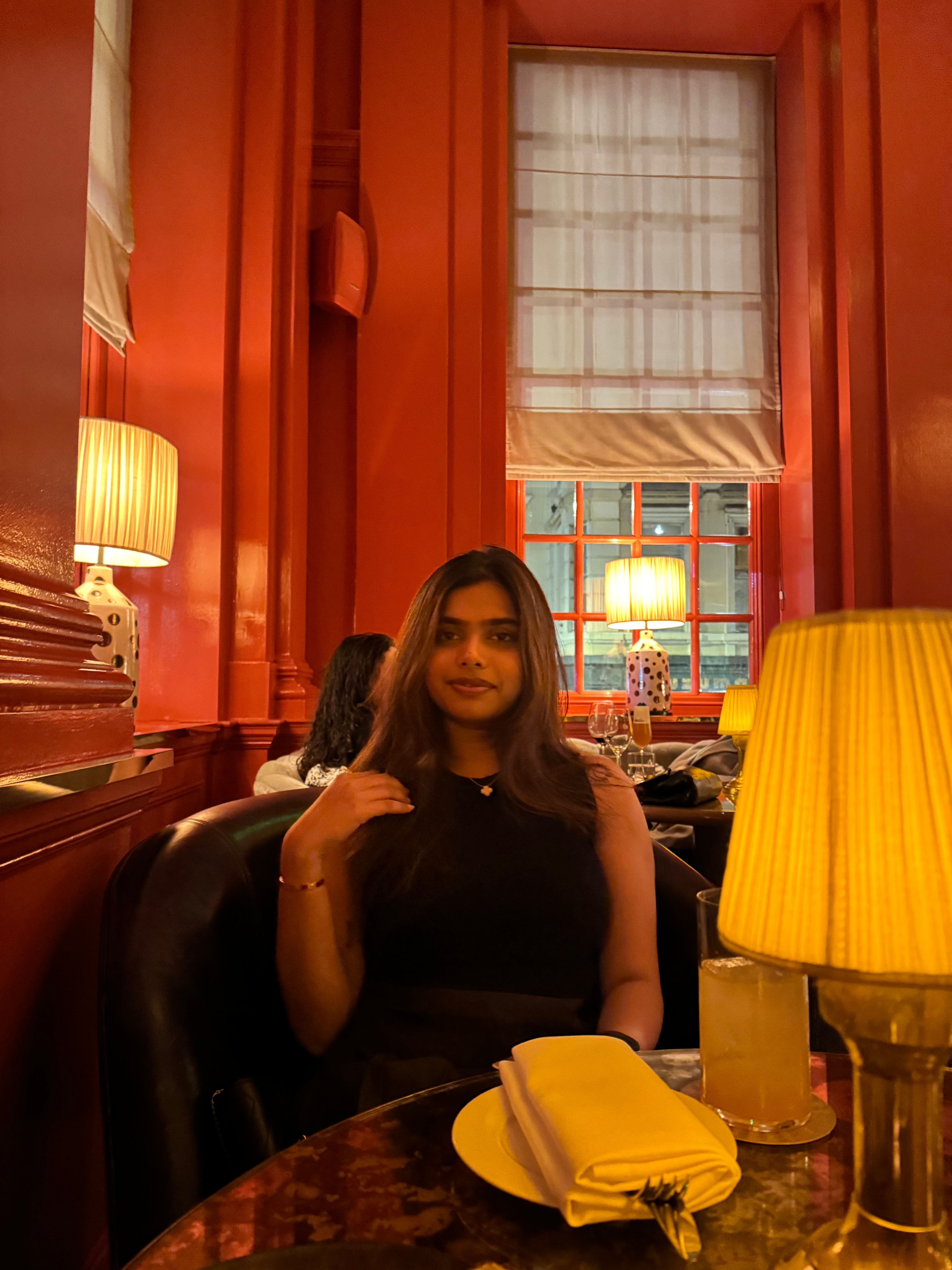

There is something so haunting about stillness, and as a woman, it was even more haunting to see that the idealized “patriarchal femininity” was an aesthetic in media that largely promoted the conceptualization of stillness or in other words, “ennui.” Ennui is the feeling of dissatisfaction or romanticized boredom, and in simple words, I like to look at it as stillness.
Sofia Coppola is an enchantress because she projects an aestheticized version of stillness through her female lead characters. Analyzing a Coppola female lead is like looking into the mirror as a woman, her layered characters epitomize the very element we hope cinema should not have: boredom. While this analysis might seem complicated at first, here is my attempt at breaking down one of my favorite aesthetics in film, which I like to call “aestheticized ennui.”
The patriarchal feminine aesthetic is a very common archetype in all forms of early media. It can be understood as femininity for the male gaze, or simply idealized versions or roles of women that are written by men. This aesthetic is a branch of cinema that stereotypes women and strips them of any real identity. A quote I came across in Simone de Beauvoir’s The Second Sex sums up this fantastical idea:
“She is defined and differentiated with reference to man and not he with reference to her; she is the incidental, the inessential as opposed to the essential.”
This definition of “she” perfectly explores the aesthetic that Coppola’s films have helped us rip apart. When a woman is bound by patriarchal femininity, with beauty being her only currency, she ends up in a state of slow suffocation. This is what Coppola’s female characters carry and the very essence they bring to light.
How she does this is through the aestheticized process in her films: she builds her characters to live a life that is desirable, but then strips the desire element away as it fulfills no greater purpose. It’s a kind of escalation and de-escalation model, where we see the aesthetics and expect satisfaction, but are instead only shown ennui.
My favorite woman written by Coppola is her portrayal of Marie Antoinette in Marie Antoinette (2006). The aesthetics of this film portray glamour at its peak, while the story itself is a tragic tale about patriarchal femininity. Antoinette’s character lives against the backdrop of the Palace of Versailles and is showered in luxury from clothes, drinks, food, and parties. She owns almost everything that a woman is stereotyped to expect happiness from, and yet, she is drowned in ennui.
Other women written by Coppola also carry the weight of the sadness behind aesthetics, in different settings but all painting the same picture: the ennui that follows patriarchal femininity and the pain it holds. Charlotte, from Lost in Translation (2003), is another classic example. Her character is set in a more modern background. Set in Tokyo, this story follows Charlotte, a pretty woman in her twenties, who carries the weight of aestheticized ennui from room to room in a luxury hotel, while in the company of a famous actor.
The next character I want to mention is Priscilla Presley, from Priscilla (2023). She is the perfect image of femininity reduced to domestic ornament. She is beautiful, loyal, maternal, and poised but what she is not, constantly, is heard. Her boredom is not meaningless, it’s the direct result of a life shaped by someone else’s narrative.
In all these stories, we see different women living lives shaped by a man’s narrative, and this results in ennui. Stillness or the feeling of being captured is projected as one of the most gruesome forms of torture, as it reduces one’s zest and appreciation for life.
A common character trait in Coppola’s movies is that all these women are objectively beautiful. In a way, their worth is heavily defined by their beauty, and throughout the films, this narrative is reimposed. Then we see their escalation where they live a “desirable” life, face choices, interact with objects of conventional desire and totems of luxury. But what follows is the harsh reality: none of these women are ever satisfied. None of the possessions that are supposed to bring them happiness really do.
Whether it’s in Elvis’s beautiful mansion, the luxury Park Hyatt in Tokyo, or even the Palace of Versailles, the end result for women whose fate has been narrated by a man ends in ennui. Beautiful but broken, in other words.
This aesthetic is a signature in Coppola’s films, and manifestations of it can be seen in many of the female characters she’s written. The relevance of this aesthetic is that it’s a projection of the outcome of patriarchal femininity—and in a way, an awakening. It shows the fate of something that is stereotyped, and in return, ends up breaking its own cage.
Aestheticized ennui is simply one of my favorite features in a Coppola film, as it binds boredom and beauty together to create a moral that is significant and empowering. She allows these women to just exist in their in-between states—in the ache, in the quietness, in the not-knowing. There’s no grand act of rebellion. No explosive end. Just soft resistance in the form of disengagement. A woman staring out a window and saying nothing. A girl slipping away into the background. That kind of stillness says everything.
It reminds us that you can be everything the world wants from a woman and still wonder who you are.
That is the power of aestheticized ennui.
Works Cited
de Beauvoir, Simone. The Second Sex. Translated by Constance Borde and Sheila Malovany-Chevallier, Vintage Books, 2011.
Lost in Translation. Directed by Sofia Coppola, performances by Scarlett Johansson and Bill Murray, Focus Features, 2003.
Marie Antoinette. Directed by Sofia Coppola, performances by Kirsten Dunst and Jason Schwartzman, Columbia Pictures, 2006.
Priscilla. Directed by Sofia Coppola, performances by Cailee Spaeny and Jacob Elordi, A24, 2023.
 Shivani Arvind